Multisetting Studies
Where TRANS-WELL research takes place
Three prolonged and volatile conflict and mobility contexts serve as cases in point for TRANS-WELL's topic. The project does not attempt to carry out "conventional" comparative studies. It borrows the "multicentre study" idea (which we call "multisetting study"). The samples represent striking examples of an intertwining of environmental and livelihood degradation, armed conflict, urging epidemiological crises, gradual and sudden drivers of migration and pressures on public health institutions.
It is hoped that the three studies, with their multi-perspective approach, help to unpack the problematic (im)mobility-health complex. Through this research design, we aim at a better understanding of the well-being ecosystem (or lack thereof) and strive to co-produce creative solutions for an attentive, empathetic policy and public health system which is responsive to the needs of both (im)mobile people and local residents.
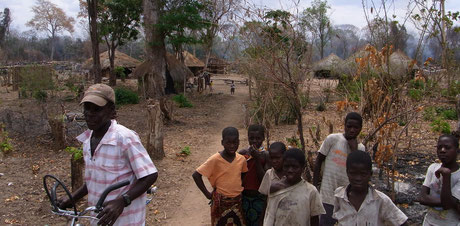
Study setting 1: Northern Mozambique
- Will be updated soon -
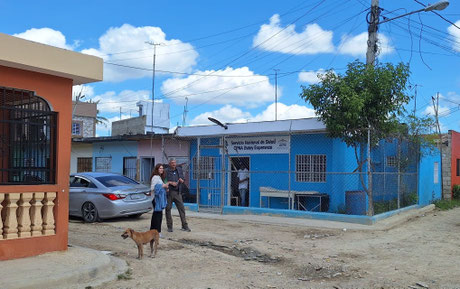
Study setting 2: Dominican Republic
- Will be updated soon -
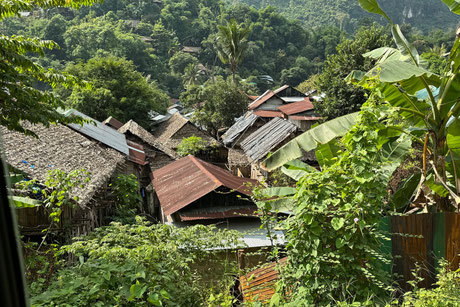
Study setting 3: Northern Thailand
- Will be updated soon -
Contact
Trans-Well Research
Institute of Geography
FAU Erlangen-Nürnberg
Wetterkreuz 15
91058 Erlangen, Germany
fred.krueger[at]fau.de